Your AEM 6.5 Clock Is Ticking. Migrate to AEM as a Cloud Service Without The Risk.

Initialyze helps enterprises assess, plan, and execute AEM Cloud migrations with zero guesswork. Purpose-built methodology. Proprietary accelerators. Outcomes guaranteed.
Adobe Experience Cloud Banner 1.png

Still Running AEM 6.5? Here's What's At Stake.

Innovation lockout

Adobe's AI features: GenStudio, Edge Delivery Services, Generative AI in Sites are cloud-only. You're locked out.

Lost competitive velocity

Cloud-native competitors ship features in hours with CI/CD. Your team is still scheduling maintenance windows.

Rising infrastructure cost

On-prem hardware, manual upgrades, and emergency firefighting consume budget that should fund new experiences.

Security exposure

Missed patches accumulate into unpatched CVEs. On-prem infrastructure becomes a liability without Adobe's continuous updates.

Technical debt spiral

Custom code diverges further from Adobe's cloud-native standards each quarter, adding 15–20% to eventual migration effort.

Team burnout

Engineers managing infrastructure instead of building experiences. Retention risk rises as cloud-native skills atrophy.

What Changes When You Move to AEM Cloud

Not a feature list. A before-and-after that matters to your teams, your budget, and your board.

Today on AEM 6.5

  • Manual patching, scheduled maintenance windows, and infrastructure you have to babysit
  • Deployments take weeks; rollbacks are nerve-wracking manual operations
  • Traffic spikes cause outages — capacity planning is a guessing game
  • Content creation is slow — authors depend on developers for layouts, variants, and personalization
  • New capabilities only arrive through disruptive, costly version upgrades

After AEMaaCS Migration

  • Adobe owns infrastructure, updates, and security — your team focuses on building experiences
  • CI/CD pipelines compress releases from weeks to hours with zero-downtime deployments
  • Autoscaling + 99.9% SLA — traffic spikes handled without a 2am call to your team
  • Generative AI in the editor — authors create copy variants, image options, and personalized content without dev support
  • Continuous innovation — Edge Delivery Services, GenStudio, and AI agents arrive automatically, no upgrade required

The 7 AEM Cloud Migration Mistakes That Derail Enterprise Projects

how aem initailyzer can help you.png
1. Treating it as a lift-and-shift
AEMaaCS requires genuine architectural refactoring. Legacy patterns custom replication agents, clustered authoring, mutable content in /apps are unsupported on the cloud architecture. Teams that attempt lift-and-shift typically discover this at UAT, not Sprint 1, causing costly rework.
2. Starting infrastructure setup too late
VPN setup, SSL certificates, DNS propagation, and Adobe IMS integration routinely take 2–4 weeks longer than planned. These are serial dependencies you cannot run content migration or UAT until they're resolved. Start in Sprint 0, not Sprint 4.
3. Ignoring content validation on publish tiers
Adobe's Content Transfer Tool may report a successful migration while publish environments remain empty or incomplete. Always validate publish-tier content independently author-environment validation is not sufficient.
4. Underestimating custom code refactoring
OSGi configurations, JCR-based workflows, and custom login modules all require cloud-native alternatives. Run Adobe's Best Practices Analyzer (BPA) in the first week not the last month to scope the true refactoring surface area.
5. Skipping the content freeze strategy
Without a clear freeze window and author access cutoff plan, you'll face content drift between environments. Every hour of active authoring after the final migration run creates delta content that must be reconciled or lost.
6. Not testing integrations early enough
Reverse replication, FTP-based integrations, and custom replication agents are unsupported on AEMaaCS. Replacements must be designed and tested in Sprint 1, not Sprint 8. Integration failures discovered late are the single largest cause of go-live delays.
7. Treating UAT as optional
Business stakeholders must own acceptance testing by market and region. Every migration we've seen stumble had one thing in common: UAT was an afterthought. Plan for 2–3 UAT cycles with dedicated business owner time blocked in advance.

Our Proven 4-Phase Migration Framework

No black boxes. Every phase has defined deliverables, clear owners, and measurable exit criteria.

Assessment

Full technical audit using Adobe BPA, custom code inventory, and integration mapping to produce a prioritized migration backlog. Deliverables: Cloud Readiness Scorecard, Tech Debt Inventory & Effort Estimate

1

Strategic Refactoring

OSGi modernization, workflow migration, custom login redesign, and integration replacement completed before content moves. Deliverables: Refactored Codebase, CI/CD Pipeline & Integration Designs

2

Seamless Content Migration

Phased content transfers using CTT, with publish-tier validation and delta migration planning for content freeze execution. Deliverables: Validated Content, Freeze Runbook & UAT Sign-off

3

Cloud-Native Enablement

Edge Delivery Services onboarding, Cloud Manager optimization, and team enablement so you own what you've built. Deliverables: Go-Live Playbook, Hypercare Plan & Team Training

4

Confidence for Every Stakeholder — Not Just Code

CIO / CTO

Fixed-fee engagement with defined milestones. Escalation protocols baked in. No surprise overruns on a migration you can't afford to repeat.

CDO / VP Digital

AEMaaCS is the only path to Generative AI in Sites, GenStudio integration, and Edge Delivery Services. Migration is the strategic move, not just a maintenance task.

VP Marketing

CI/CD means your marketing team stops waiting for release windows. Campaign pages, A/B tests, and regional variants deploy in hours, not weeks.

AEM Architect

Initialyze migration leads have 8+ years of AEM experience. You'll work architect-to-architect, not hand off to a project manager who relays messages.

Migration Outcomes Delivered

50+

Migrations completed

1M+

Content assets migrated

94%

On-time delivery rate

0

Critical defects at go-live

AEM Cloud Migration: Frequently Asked Questions

What is the difference between AEM 6.5 and AEM as a Cloud Service?
AEM 6.5 is a traditional on-premise or managed-services deployment where you own infrastructure, manage upgrades, and handle patches. AEM as a Cloud Service (AEMaaCS) is a fully cloud-native SaaS product where Adobe manages the infrastructure, automatically applies updates continuously, and provides autoscaling and a 99.9% SLA. The architectural model is fundamentally different AEMaaCS uses an immutable deployment model, separates mutable and immutable content, and requires a CI/CD pipeline via Cloud Manager for all deployments.
How long does an AEM Cloud migration typically take?
For mid-complexity implementations (1-5 sites, moderate custom code, under 500K pages), expect 8-16 weeks. Large, multi-site enterprise implementations with complex integrations, multiple languages, and significant custom code typically require 16-24+ weeks. The biggest variables are the volume of custom code requiring refactoring and the number of integrations that need cloud-native replacements. Our Assessment phase (2 weeks) will give you a precise range for your specific implementation.
What tools does Adobe provide for AEM Cloud migration?
Adobe provides four primary migration tools: the Best Practices Analyzer (BPA) for code compatibility assessment; the Content Transfer Tool (CTT) for moving JCR content from on-premise to cloud; Cloud Manager for CI/CD pipeline management and environment provisioning; and the AEM Modernization Tools suite for converting legacy component structures (Classic UI, static templates) to Editable Templates and HTL. Initialyze's proprietary AEM Initialyzer extends BPA's ruleset to surface issues that BPA misses, and Sentry monitors Cloud Manager pipelines in real time.
Can we migrate to AEM Cloud in phases?
Yes, phased migration is often the right approach for large multi-site enterprises. The typical pattern is to migrate a pilot market or brand first, establish the Cloud Manager pipeline and integration patterns, validate operational procedures, and then execute subsequent markets in parallel cohorts. The key constraint is that your AEM codebase must be fully refactored before any market goes live, you cannot run separate codebases for on-premise and cloud markets in parallel for extended periods without incurring significant maintenance overhead.
What is Adobe Edge Delivery Services and should we consider it during migration?
Edge Delivery Services (EDS) is Adobe's new content delivery layer that serves pages directly from the edge using a document-based authoring model. It's separate from but complementary to AEMaaCS's Sites editor. EDS delivers exceptional Core Web Vitals scores and is increasingly positioned as the preferred delivery architecture for marketing-owned content. During migration, we recommend assessing which content types are candidates for EDS delivery typically campaign landing pages and marketing sites and piloting EDS in parallel with the core AEMaaCS migration rather than retrofitting it post-go-live.

Accelerators for Speed and Impact

Launch faster and scale smarter with our proprietary AEMaaCS frameworks. From AI‑powered developer workflows to real-time monitoring, our accelerators streamline migration and maximize performance across the most complex enterprise environments.

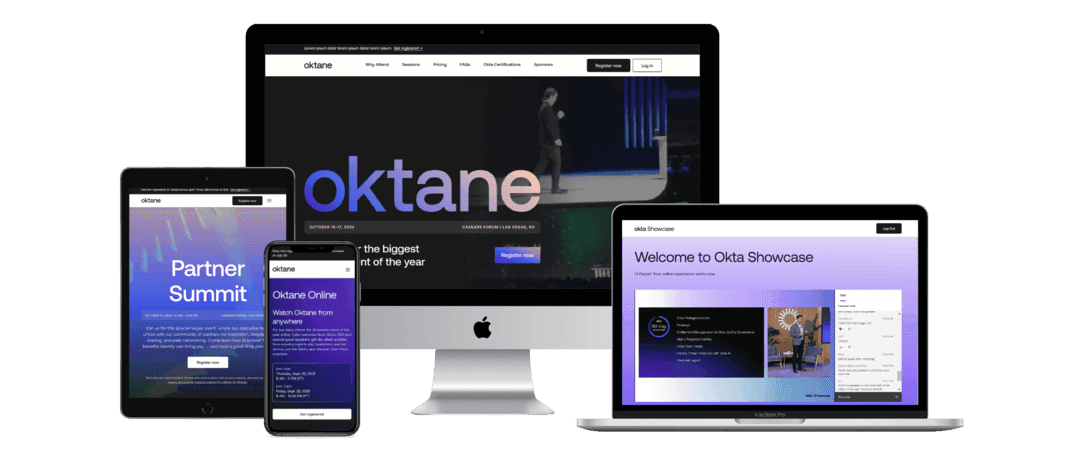
EZ Conference

EZ Conference is the ultimate solution for conferences and virtual events. Its personalized approach offers customized content and interactive sessions tailored to each attendee. With flexible components and various templates, it optimizes experiences while offering comprehensive speaker support.
EZ Conference-AEM-Sites-Logo.png

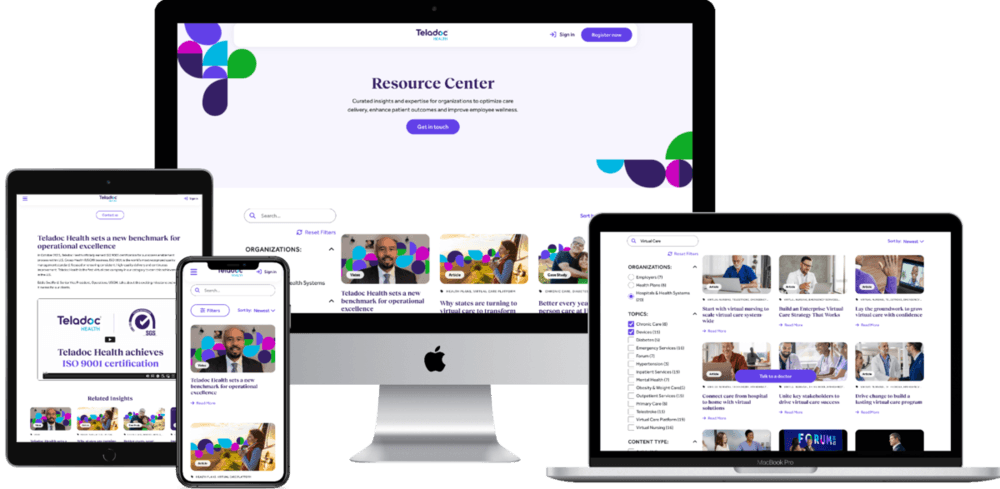
TotalContent

TotalContent is a collection of templates and components that can be leveraged to build a full-fledged Resources section of a website to showcase content such as Articles, Press Releases, Whitepapers, and Case Studies.

Green dot & Black logo.png

Start With Clarity. Move With Confidence.

Choose the right entry point for where you are in the decision process.

Frame.png

Subscribe to our Insights

Subscribe for our perspective on the Adobe ecosystem and the technical shifts shaping how global brands solve platform challenges at large.